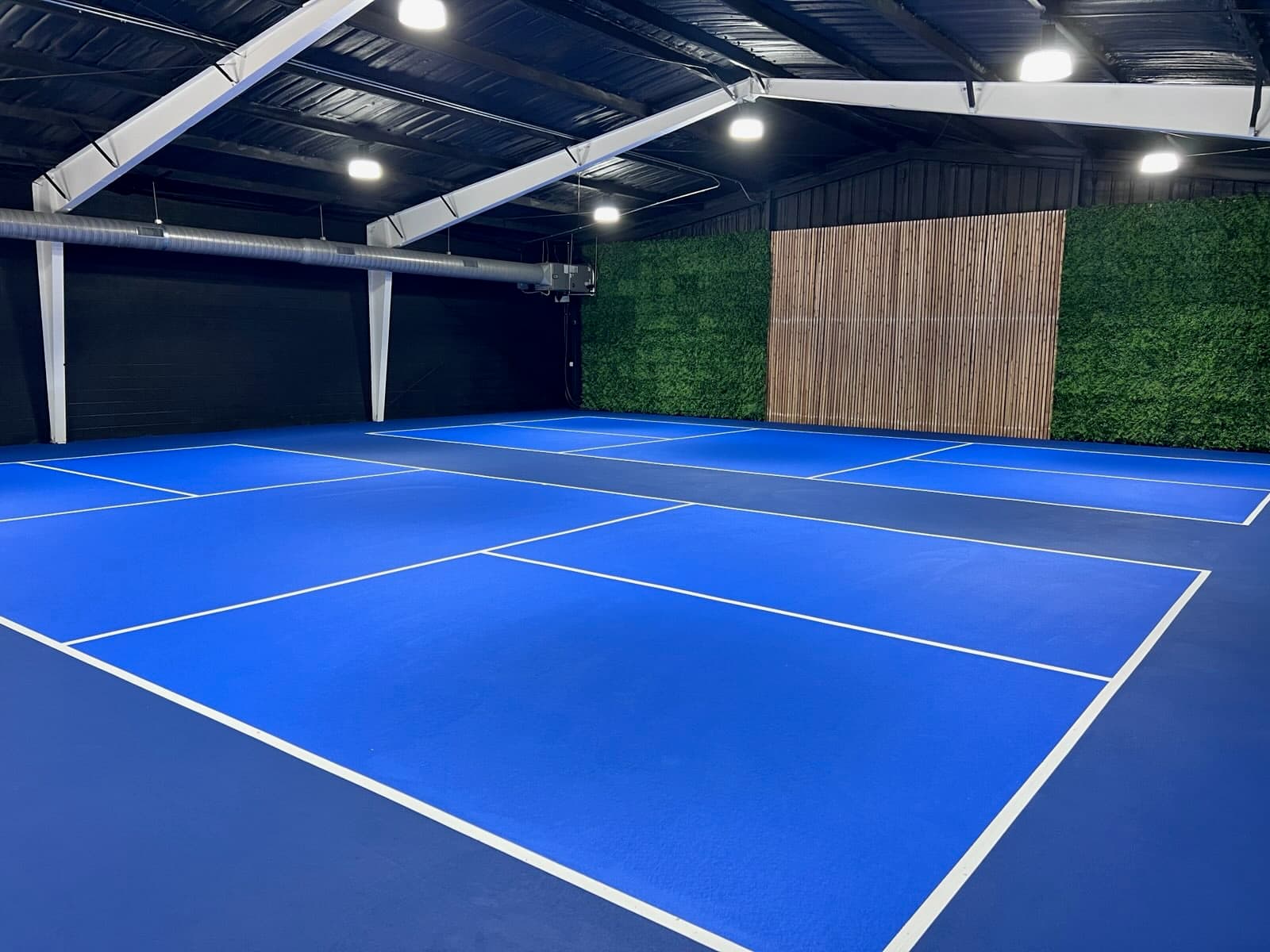
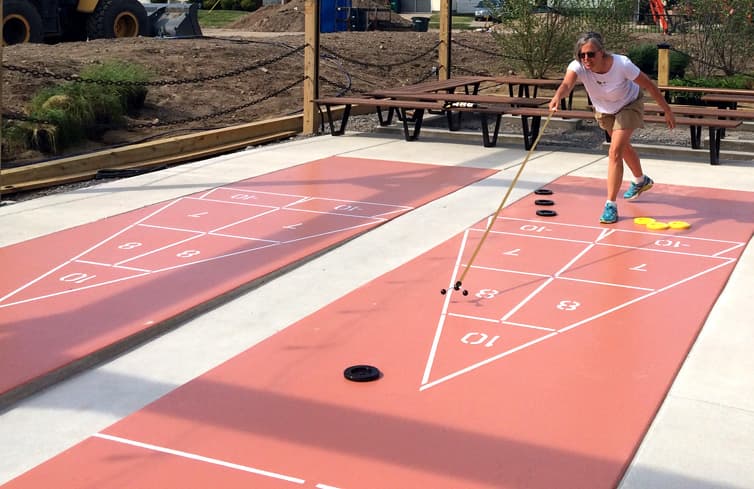
Other Sport & Game Courts in Houston, TX

Beyond basketball and pickleball, we build custom Houston courts for unique sports, skills, and family recreation goals.

Not every project fits a standard court category. Many Houston clients want a custom recreation layout that supports volleyball, futsal, street hockey, tennis drills, gaga ball, four-square, croquet-style zones, or kid-focused game markings in one connected area. Home Turf Houston builds these specialty and hybrid courts with the same technical discipline we apply to primary sport installations, so custom does not mean compromised.

This service is ideal when your household or facility has mixed activity needs and you do not want separate single-purpose builds. We start by identifying your highest-frequency uses and then design a layout hierarchy that keeps lines readable and movement safe. In neighborhoods like Memorial and River Oaks, we often integrate these courts into larger landscape and amenity plans. In Katy and broader suburban developments, we often optimize for larger family use and flexible programming.

Because these projects vary widely, site planning is essential. We evaluate grade, drainage flow, nearby structures, and circulation routes before finalizing surfaces and accessories. Houston weather and soil movement still apply even when the game mix is unconventional, so base integrity and water management remain core requirements. The final result is a practical custom court that supports real use, not just a novelty feature that sits idle.

Designing a Custom Recreation Program, Not Just a Court

The most successful specialty courts begin with a use program that reflects actual behavior. We ask how many users play at once, which activities rotate daily versus occasionally, and whether the space must serve structured coaching, free play, or community events. That information drives court geometry, striping logic, and equipment selection. Without this step, custom projects tend to accumulate conflicting features that reduce usability.

We also account for transitions between activities. If users frequently switch from volleyball to futsal, for example, equipment storage, line contrast, and clear staging zones become part of the design. In family settings, we prioritize quick conversion and intuitive boundaries for younger players. In shared facilities, we often emphasize durability and supervision visibility. The goal is to create a system that can adapt without becoming operationally burdensome.
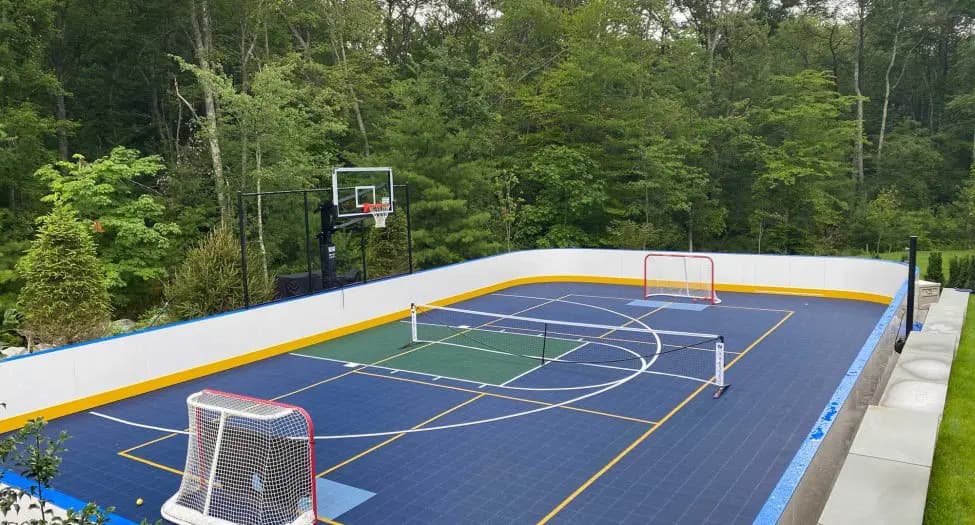
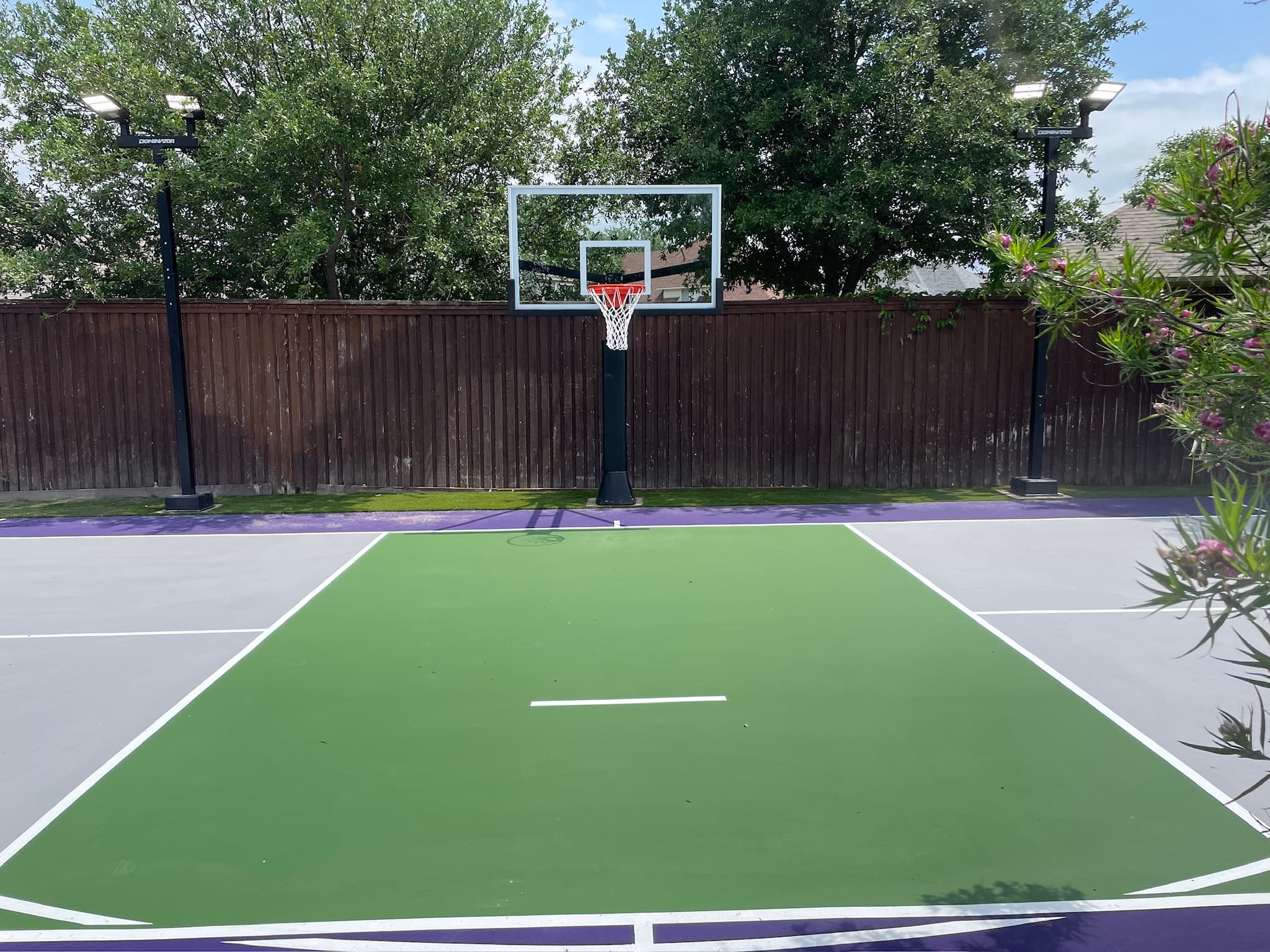
Including Tennis, Volleyball, Croquet, and Gaga in One Strategy

Clients often ask whether niche activities can coexist with mainstream court uses. The answer is yes, as long as the layout uses a clear priority structure. We can layer court zones and markings for volleyball, tennis drill lanes, croquet-style target areas, and gaga enclosures while preserving safe movement and visual clarity. When planned correctly, these features complement each other and expand participation across age groups.

Surface selection is matched to the dominant movement patterns. Activities with quick directional changes need traction consistency, while lower-speed recreational uses may prioritize comfort and low maintenance. We map these needs during design so the finished space supports your chosen mix instead of forcing one surface profile on every game type. That approach is especially valuable in Houston, where weather-driven downtime can limit play windows.

Houston Build Considerations for Non-Standard Courts

Custom courts still require disciplined civil and surface fundamentals. Grade transitions, edge restraint, drainage exits, and sub-base compaction determine whether the court remains level and playable over time. In Greater Houston, where heavy storms and expansive soils are common, we plan these details early to protect long-term value. Skipping them usually leads to uneven wear, standing water, and reduced confidence in the space.

We also coordinate aesthetics with practicality. Custom colors, logos, and game graphics can elevate the final result, but they must remain legible under varied lighting and usage conditions. Our team balances visual impact with function so the court looks intentional from a distance and still performs during active play. That combination is what keeps specialty courts relevant long after the initial excitement of installation.

Turning Unusual Wish Lists into a Coherent Layout

This service is where we solve the projects that do not fit a preset template. A Houston family might want a zone for gaga ball, a small futsal lane, and a practice area that can double as a throwing or kicking space. A school or church might need volleyball lines, flexible open play, and clear edges that keep younger players out of adjacent circulation paths. We build those combinations by deciding which activity controls the center of the plan and which ones remain secondary so the layout stays readable.

The best custom courts also leave room to evolve. Families add ages, interests change, and facilities often want to reprogram the same footprint over time. We account for that by thinking about storage, accessory mounts, and how future line work could be layered without tearing up the entire court. For Houston properties that want real flexibility, that forward planning is the difference between a novelty surface and a long-term recreation asset.

Futureproofing Mixed-Activity Spaces

A custom recreation court should not be frozen into one moment in time. We design these spaces so the owner can shift emphasis as the household, school, or organization changes. That might mean leaving room for future fencing, choosing colors that can tolerate additional line layers, or keeping the drainage and access strategy broad enough to support later additions. In practice, that flexibility matters because Houston families and institutions rarely use a court exactly the same way year after year.

Futureproofing also means being honest about what should stay out of the layout. Too many custom courts become cluttered when every possible game is squeezed into one footprint. We help clients avoid that mistake by prioritizing the activities that will actually get used and by leaving reserve space for accessories, seating, or future conversions. The result is a court that can evolve without feeling like a patchwork of competing ideas.

Benefits of Other Sport & Game Courts

Activity Flexibility

Support multiple niche and mainstream games in one footprint tailored to your users.

Custom Line and Zone Programming

Create clear markings for volleyball, futsal, gaga, tennis drills, and more.

Higher Participation Potential

A varied recreation layout invites broader use across age groups and skill levels.

Houston-Ready Construction

Drainage and base planning are engineered for local rainfall and soil behavior.

Design Integration

Specialty courts can be coordinated with patios, pools, and broader landscape plans.

Scalable Scope

Works for compact residential spaces and larger institutional or community projects.

Our Other Sport & Game Courts Process

1

Activity Program Discovery

We define sport mix, traffic patterns, and frequency of use to set project priorities.

2

Site and Drainage Analysis

Topography and runoff are reviewed to protect long-term surface reliability.

3

Layout and Equipment Planning

Court zones, line hierarchy, and accessory placement are finalized for usability.

4

Construction and Surface Installation

Base, surface, and graphics are installed according to the approved multi-use plan.

5

Operational Walkthrough

We review conversion flow, maintenance practices, and safe-use guidance with your team.

Applications

Family Recreation Courts

Hybrid courts that support kids, teens, and adults without separate installations.

Private School Play Programs

Multi-activity spaces for PE rotation and supervised recreation.

Community Amenity Expansions

Broader-use court zones for HOAs and mixed-age neighborhoods.

Hospitality Activity Areas

Custom game courts for resorts, clubs, and guest-oriented venues.

Training and Skill Zones

Focused layouts for specific movement drills and coaching routines.

Why Choose Home Turf Houston

Custom-Court Planning Expertise

We translate mixed activity goals into practical layouts that actually function.

Houston Execution Experience

Our builds account for local site and weather constraints from the start.

Performance and Aesthetic Balance

We combine clean visual design with real playability across multiple activities.

Clear Coordination

Scope, sequencing, and accessory decisions are managed in one cohesive process.

Long-Term Utility Focus

We design for ongoing participation and manageable maintenance, not one-time novelty.

Frequently Asked Questions

Can we include volleyball and tennis elements on one court?
Yes. We use line hierarchy and equipment planning to combine multiple activities while preserving readability and safe circulation.
Do you build courts for gaga or kid-focused games?
We do. Child-friendly zones and game markings are common in family and school projects across Houston.
Will custom layouts still drain well after storms?
Yes, if designed correctly. We engineer grading and base strategy first, regardless of sport mix, so water exits effectively.
Can custom graphics or logos be added?
Absolutely. We can integrate branding and graphics while keeping gameplay lines clear and functional.
Is this service available outside central Houston?
Yes. We serve Greater Houston including Memorial, River Oaks, Katy, Sugar Land, Cypress, and surrounding markets.
How do we decide which activities to prioritize?
During consultation we map user frequency and goals, then build the layout around your highest-value activities first.

Get a Free Estimate Today

Ready to transform your Houston property with other sport & game courts? Contact Home Turf Houston for a free on-site consultation and detailed estimate.

Houston Service Areas

We provide other sport & game courts throughout the Greater Houston metro.

View all 40+ service areas →